Stephanie Seal Brown: Craft is a challenge to be worked through
For the last issue of our monthly newsletter, we interviewed several weavers to learn about their journey and the challenges they’re facing when selling their craft. Here’s the first interview from the series with a talented weaver, Stephanie Seal Brown, who creates handwoven and millwoven textiles for interior designers.
Nearly 30 years after acquiring her first Swedish handloom in 1997 and later studying at the Vavstuga Weaving School in Massachusetts, Stephanie continues to create handwoven textiles from her studio in Newburgh, New York, where every piece is prepared and woven entirely by hand.
What was your introduction to fiber, and how did you become a weaver?
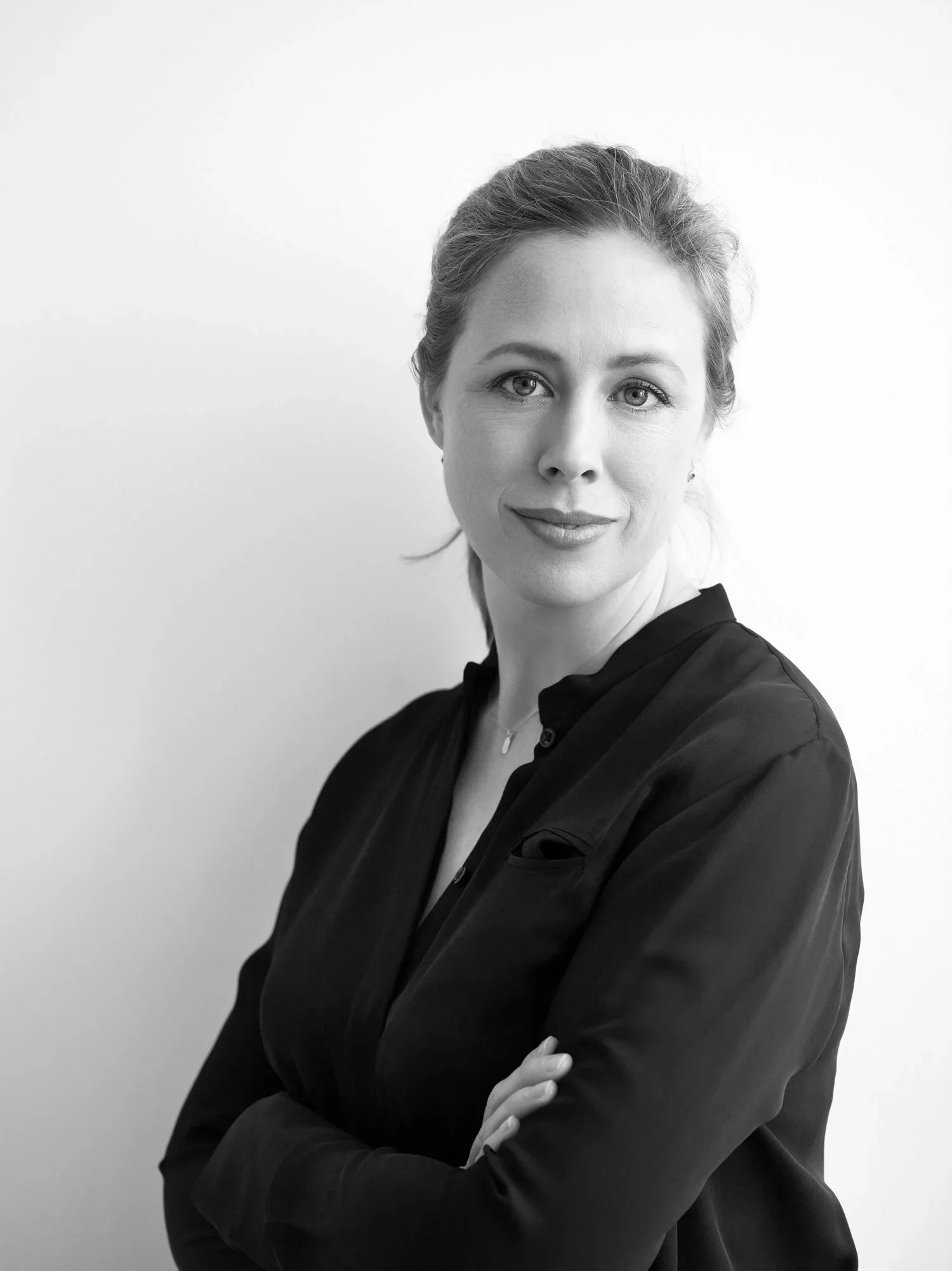
Stephanie Seal Brown
I have always been interested in textiles and began studying weaving in my teens. My interest in local fiber came from my work in the local foods movement. While living in Kentucky, I was the textile coordinator and weaver for the American Hemp Flag Project with Fibershed, Growing Warriors Project, and Patagonia. My team handspun the first hemp grown in the US during the modern era; dyed Sally Fox’s cotton using US-grown indigo and madder; wove the stripes and field; and hand-stitched the 50 stars. Proudly, our flag flew over the Veterans Administration Center in DC.
When I moved to New York, I realized the much more robust infrastructure already in place for processing wool and the vast amount of wool fiber grown here. Looking for the more underutilized breeds led me to begin my deep research into longwools.
How did weaving become a business?
Slowly. I had been weaving for about 15 years when I decided to turn it into my primary work. I knew I wanted to focus on interiors and began sitting down with as many designers as I could to ask questions and to show my work. Gradually, I found my footing and my client base and have continued to build on that.
Who are your customers?
Primarily residential interior designers.
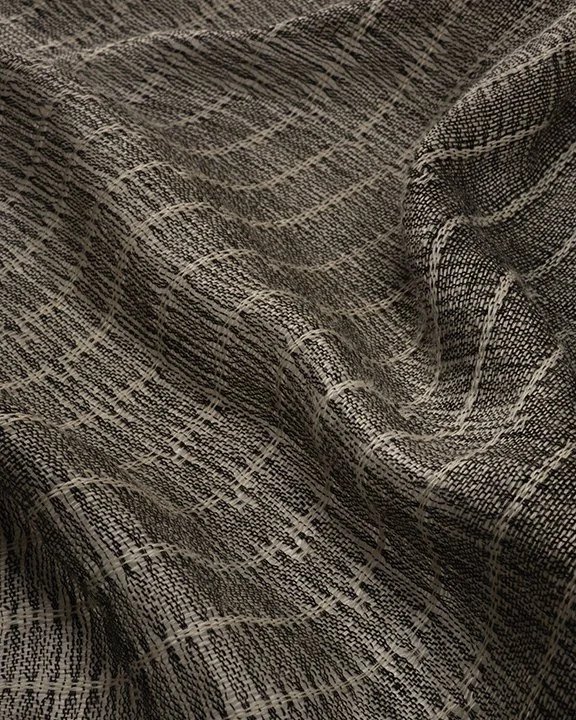
Stephanie Seal Brown: Handwoven textile made with longwool
What fibers do you use, and how do you source?
Although I use European linen for most of my textiles, I began working with different longwools over the past four years, including Siri Swanson’s Border Leicester, Holly Browder’s Cotswold, Windsong Farm’s Wensleydale, and Emmaline Long’s Lincoln. For the NYFIC Round 3 grant, I am working specifically with Emmaline’s Lincoln.
What are your challenges?
Craft is always a challenge to be worked through, whether it is the limitations of the process or the market. Finding the answers to these puzzles is part of the joy!
How do you market your business?
Primarily through referral. I have also exhibited at ICFF, Field+Supply, and more recently, High Point.
What are your business plans - grow, stay the same, wind down, change your focus?
I always want to grow in what I do, but that can look like many different things. My focus on developing the longwool market is part of my current growth plan.
Any advice for those interested in weaving for fun or a business?
Just start somewhere and remember the 10,000-hour rule. I know there are many arguments against this being true; but for craft, time in matters. And the journey itself is a pleasure, enjoy it.
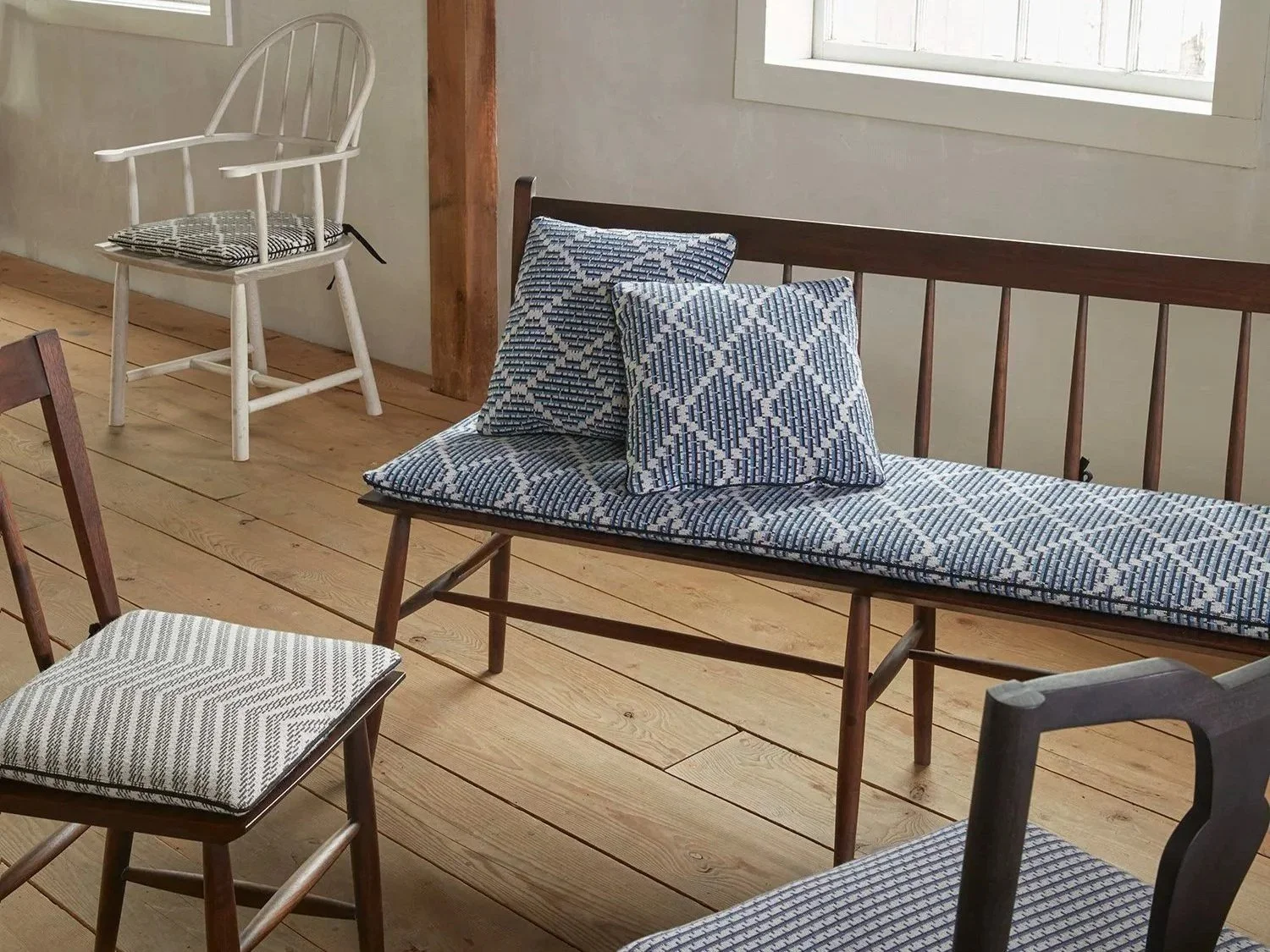
Stephanie Seal Brown for Schumacher
Find out more about Stephanie Seal Brown at https://www.stephaniesealbrown.com/. Be sure to leave us a comment if you enjoy this type of content!