HVTP’s 10th Annual Summit
SAVE THE DATE: Wednesday, March 24, 2027, Wiltwyck Golf Club, Kingston, NY
Meet the 2027 Keynote Speakers: Anne Merrow and Melissa M. Littlefield
Anne Merrow
Melissa M. Littlefield
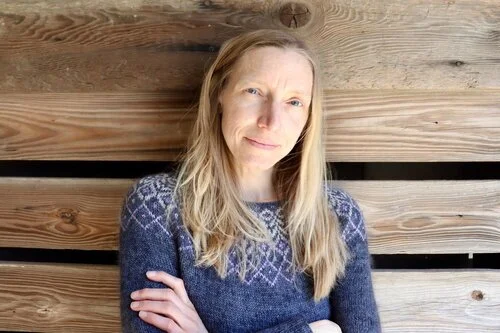

We are excited to have Anne Merrow from Long Thread Media as our keynote speaker. Some of you may not know her by name, but you may recognize her work. Read about Anne’s background in her own words below.
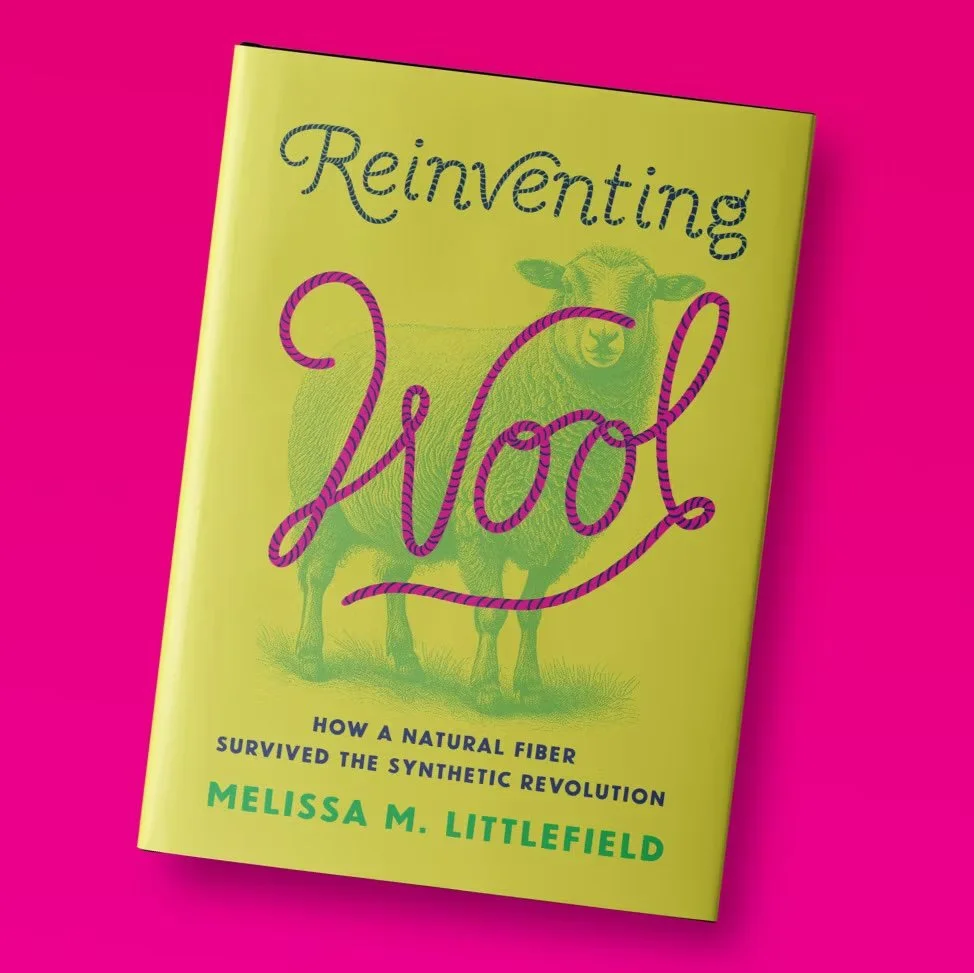
The afternoon program of HVTP’s 10th Annual Summit opens with a reading, presentation, and book signing by Melissa M. Littlefield, author of Reinventing Wool: How a Natural Fiber Survived the Synthetic Revolution.
Learn more about both of our speakers below.
More details to come!
About Anne Merrow
“I first got into textiles when I was an editorial assistant at an NYC book publisher, and my boss taught me to knit. This was right around when Knitty and Knitters Review got started, and I became far more interested in knitting than my work reading. I started looking for knitting and fiber books to edit, and eventually I moved to Colorado to edit books for Interweave.
Part of editing books was learning how to do the crafts, so I learned to spin and weave (among other things) on the job. I went on to start a sock-knitting eMag, became the editor of Spin Off, and eventually found myself the editorial director of yarn and fiber.
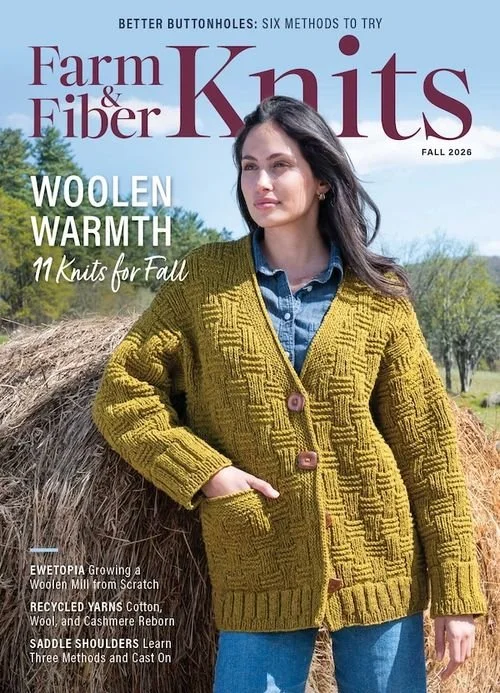
In 2019, during a bit of upheaval, I saw the opportunity to bring the spinning, weaving, and traditional needlework publications back into the hands of crafters. With two craft publishing partners, I founded Long Thread Media to publish Spin Off, Handwoven, PieceWork, and Little Looms. Since then, we’ve started the Long Thread Podcast and Farm & Fiber Knits magazine. We’ve also made Little Looms a quarterly magazine, started 5 different in-person events, and recently acquired Knit with Freedom (previously knitfreedom.com). Long Thread is privately owned, majority women-owned, and independent.
I am still just as textile-obsessed as ever, and I’m on a self-imposed hiatus from deadline knitting and designing so that I can just craft for fun again. I live in Colorado, where I have two cats who also like to play with yarn and a husband who also loves filament but prefers it in 3D-printer format. I grew up in New England, and my uncle lives on the family farm just across the New York State border in southern Vermont.”
Listen to some of Anne’s podcast interviews to learn more. With well over 100 interviews, her knowledge of the fiber community runs deep. You will even find interviews with our own Mary Jeanne Packer and Lilly Marsh! So mark your calendar; it’s going to be another great summit.
About Melissa M. Littlefield
Melissa M. Littlefield works at the intersections of science, technology, and culture.
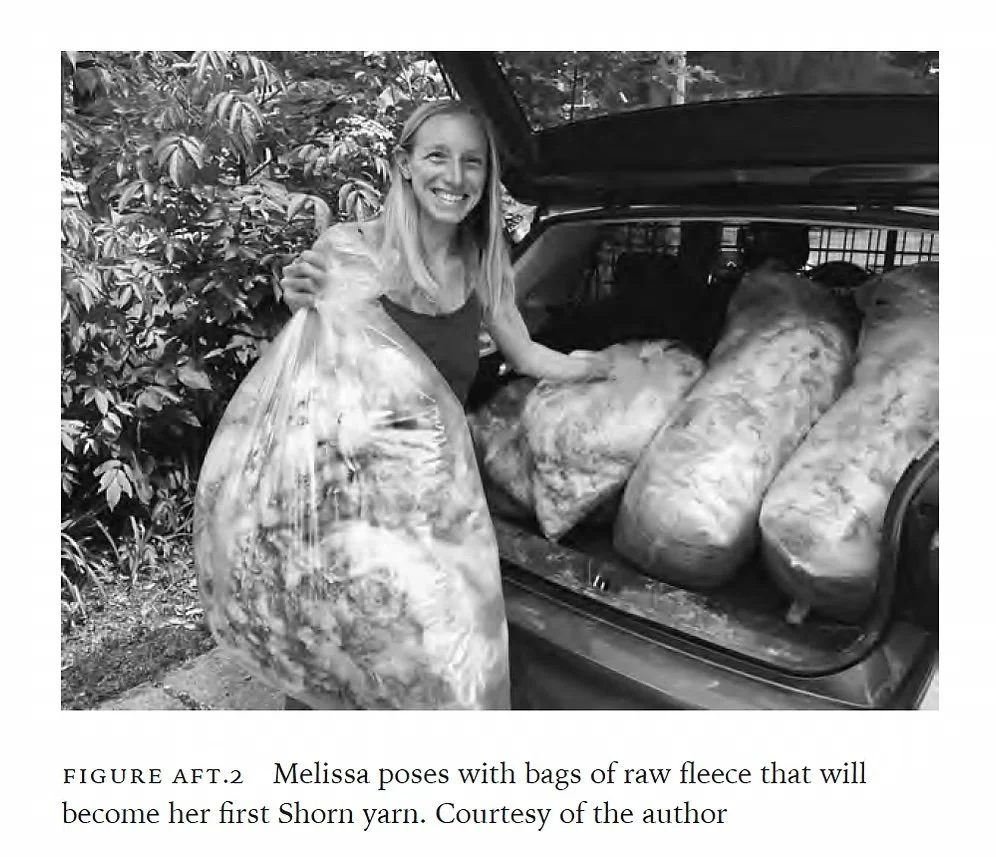
Her recent book, Reinventing Wool: How a Natural Fiber Survived the Synthetic Revolution, tells a story about how chemistry, culture, and industry remade wool and reshaped our closets along the way. The final chapter looks at what’s happening today, a movement Melissa calls the “Small-batch Rebellion.” Through this kind of exposure, she suggests, “American consumers can learn, once again, to appreciate what the natural fiber has to offer.”
Following Melissa’s talk, a panel of HVTP members will respond to that final chapter and to the idea she closes the book with: “As with many other things that have become endangered, it’s the possibility of extinction that, ironically, often offers up a second chance at life.”
Wool once shaped daily life in the United States. The ubiquitous textile clothed soldiers and filled civilian wardrobes; sheep even grazed on the White House lawn. Today, however, wool apparel represents a sliver of the global textile market. In Reinventing Wool, Melissa M. Littlefield uncovers the surprising story behind this dramatic shift.
Rather than fading quietly as synthetics rose to prominence, wool became the focus of a sweeping mid-twentieth-century effort to "modernize" natural fibers through chemistry, industry, and politics. Littlefield reveals how, between the 1930s and 1960s, wool was recast as a material in need of technological rescue. Industrial chemists coated it with resins, laboratories experimented with moth-killing compounds, and federal agencies promoted new treatments that promised convenience to modern consumers.
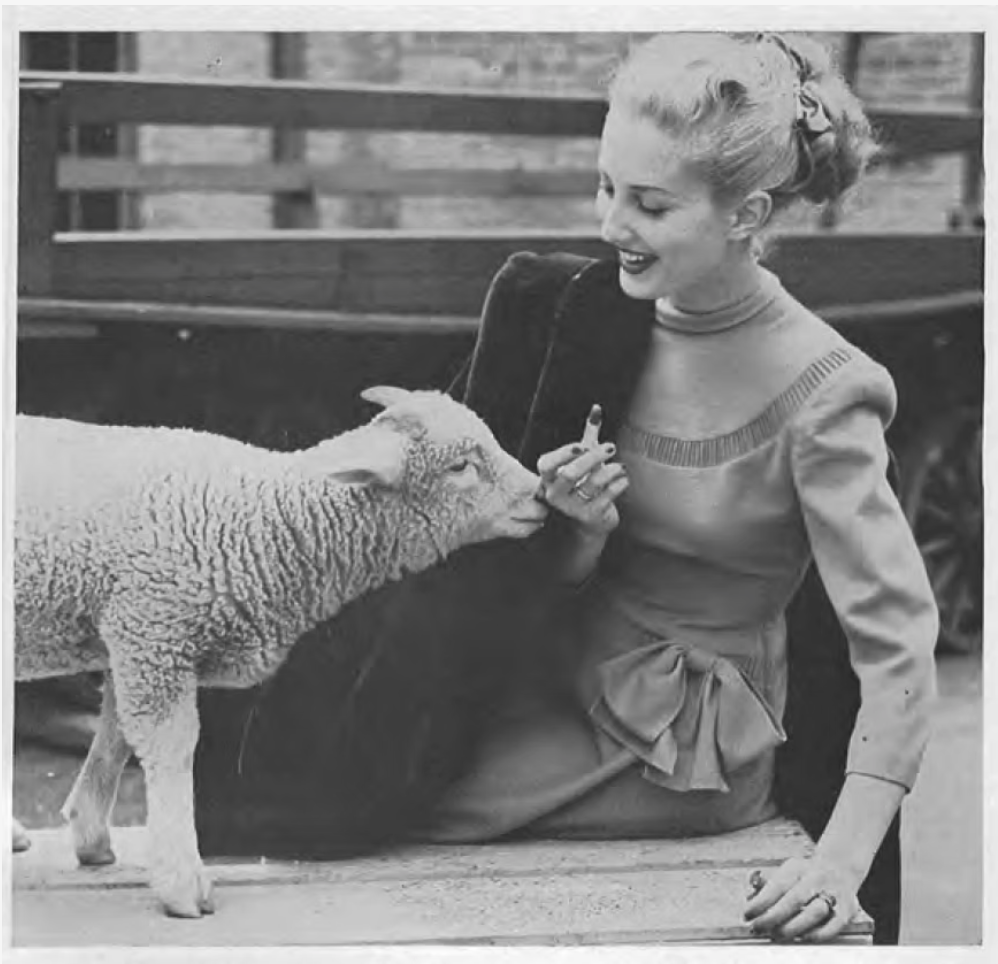
Detailing stories like Woolite's cold-water campaigns—complete with department-store sheep baths—the invention of washable wool, and the USDA's little-known DDT-based mothproofing agent EQ-53, Reinventing Wool traces how a once-revered fiber was repeatedly reengineered to fit the ideals and anxieties of an increasingly synthetic age.
Weaving together textile science, advertising archives, governmental reports, and her own experience as a fiber artist, Littlefield highlights the cultural forces that reshaped wool's reputation. She shows how mid-century interventions altered not only the fiber itself but also public understanding of what counts as "natural," "improved," or "modern."
The consequences extend well into the present, influencing how we value materials, evaluate environmental claims, and imagine the future of textiles. Reinventing Wool offers a fresh perspective on the intertwined histories of chemistry, agriculture, fashion, and consumer culture.